
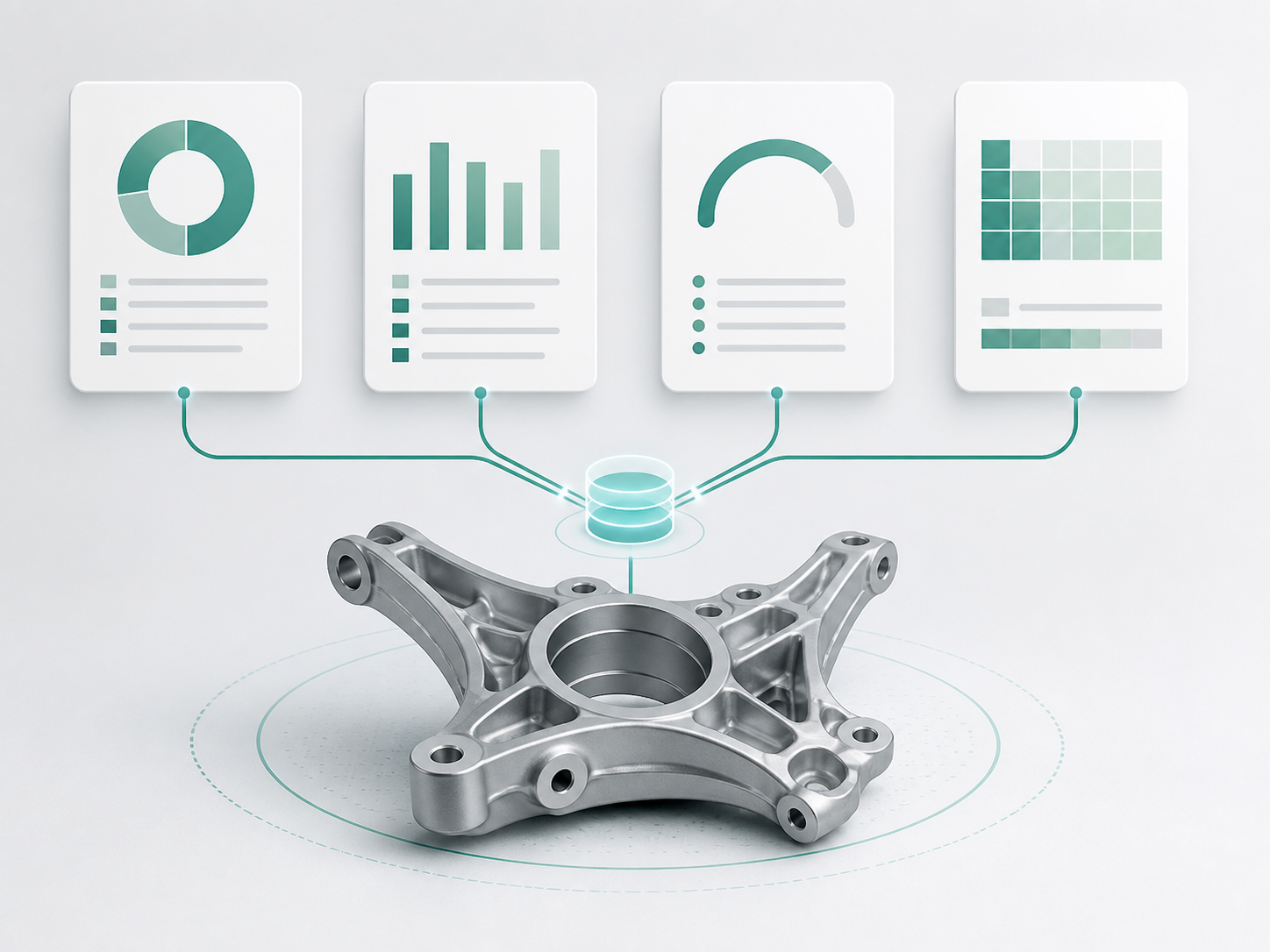
Customers ask for PCFs, markets use EPDs, exports may trigger CBAM and products may need digital passports. The four outputs serve different purposes, but much of the underlying data can be reused. Understanding the difference helps companies deliver each one faster.
What each output is designed to do
- PCF addresses GHG emissions for a defined product, boundary and method;
- EPD is a Type III environmental declaration across impact categories under the applicable PCR and programme rules;
- CBAM prepares embedded-emissions filing data around covered goods, installations, precursors and production processes;
- DPP publishes required product data fields under product identity and access rules.
In simple terms: a PCF answers “how much does this product emit?”, an EPD provides a standardized multi-impact declaration, CBAM supports embedded-emissions reporting for imported goods and a DPP publishes required product information over time.
Which data can be reused
Product identity, BOMs, process routes, material and energy activity data, supplier relationships, transport, factor sources and evidence are common dependencies. What is shared is not one final number but stable, traceable relationships between these objects.
What still needs separate treatment
The same activity data may use different boundaries, allocations, factors or periods in different work. A platform should reuse approved sources while retaining a separate method version, applicability and review status for every delivery.
A battery passport’s published fields, for example, are not the complete study data. A CBAM installation and production structure cannot simply be replaced by a product PCF report. Sharing the data foundation does not mean conflating the rules.
How to update outputs when products change
When product or supplier data changes, teams need to know which PCFs, EPDs, CBAM results or passport snapshots are affected. Only when deliverables remain linked to models, data periods and evidence versions can users decide whether to recalculate, re-review or only update a published field.
Use one data foundation for four deliveries
- Establish products, BOMs, processes, installations and supply relationships;
- Retain activity-data, factor and evidence sources with applicability;
- Configure method, boundary and review workflow for each delivery;
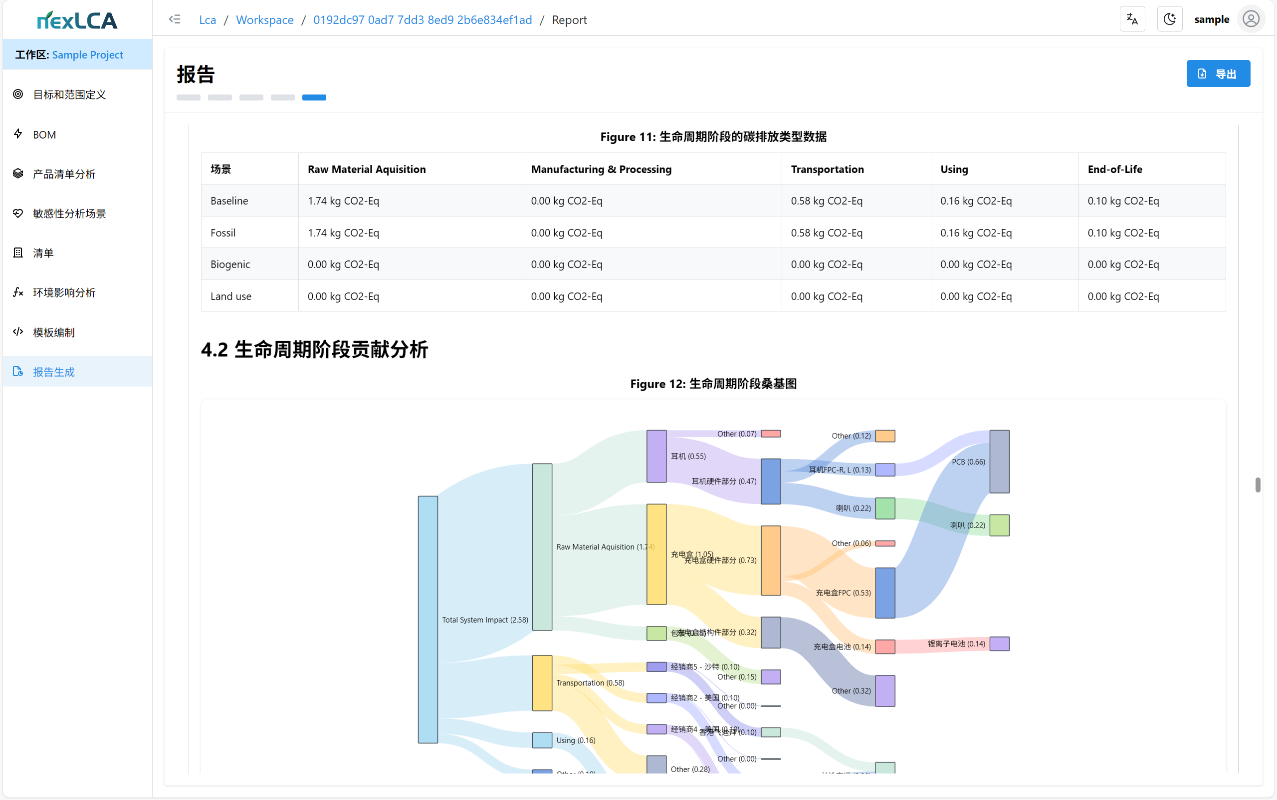
- Generate reports, filing data or passport snapshots from an approved model version;
- Identify impact and update the relevant delivery after source data changes.
nexLCA manages product, BOM, process, factor and supplier data once, then applies the right method and output template for PCF, EPD, CBAM and DPP. Teams prepare less duplicate data, deliver faster and keep versions clear.